Common Mistakes Property Owners Make With Roof Sealing
Property owners often seek local contractors to avoid common mistakes with roof sealing that can lead to leaks and costly repairs.
Property owners in the area often seek to protect their investments by ensuring their roofs remain in top condition, making roof sealing an important consideration. However, many make common mistakes that can compromise the effectiveness of their sealing efforts, leading to costly repairs down the line. Whether it's choosing the wrong materials, overlooking proper surface preparation, or neglecting regular inspections, these errors can diminish the longevity of a roof seal and increase vulnerability to weather-related damage. Understanding these pitfalls can help property owners make informed decisions and better appreciate the value that experienced local contractors bring to the process.
Exploring the common mistakes property owners make with roof sealing highlights the importance of working with skilled service providers who understand local conditions and roofing systems. Proper sealing requires more than just applying a product; it involves thorough assessment, correct application techniques, and ongoing maintenance. Local contractors specializing in roof sealing can guide property owners through these steps, ensuring the job is done right the first time. Keep reading to learn how avoiding these mistakes can extend the life of a roof and protect the property’s value over time.
- Roof sealing - property owners may need this work when noticing leaks or water intrusion, and local contractors focus on proper surface preparation and high-quality sealant application.
- Roof sealing - when old or damaged sealant fails, local service providers evaluate the condition of the roof and ensure correct sealing techniques to prevent future issues.
- Roof sealing - if property owners overlook regular maintenance, local pros can identify early signs of deterioration and recommend appropriate sealing solutions.
- Roof sealing - during repairs or renovations, local contractors emphasize thorough inspections to avoid common mistakes like improper sealing that can lead to costly damage.
- Roof sealing - in cases where weather exposure causes sealant deterioration, local service providers apply durable sealing methods tailored to the roof's specific material and environment.
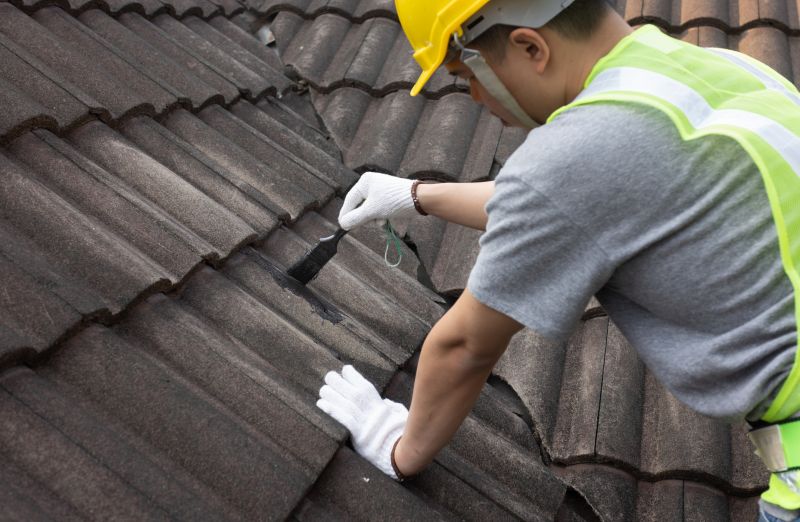
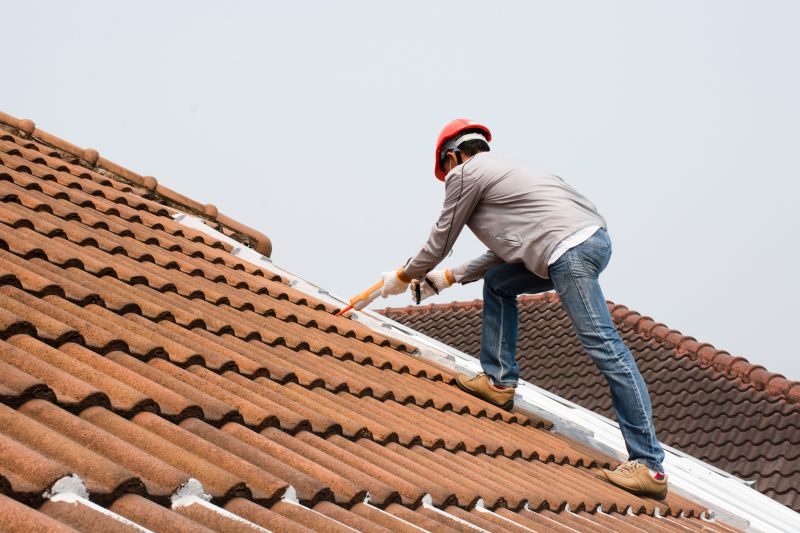
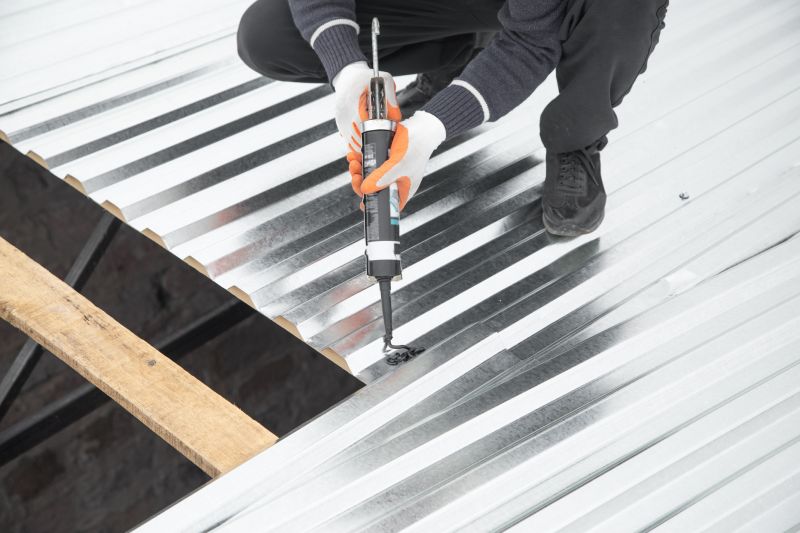
When property owners search for information on common mistakes property owners make with roof sealing, they are often looking to understand how to avoid costly repairs and ensure their roofs remain durable over time. Roof sealing is a critical step in maintaining the integrity of a building’s roof, preventing leaks, and protecting the underlying structure from water damage. Many homeowners may not realize that improper sealing techniques or neglecting to address existing issues can lead to persistent leaks, mold growth, and even structural deterioration. This topic relates to the planning stages of roof maintenance or repair projects, as well as ongoing protection strategies, making it essential for property owners to understand what pitfalls to avoid when hiring local contractors for roof sealing services.
The problems associated with poor roof sealing often involve incomplete or incorrect application of sealants, using the wrong type of products for specific roofing materials, or neglecting to prepare the surface properly before sealing. For example, some property owners might try to seal their roofs without removing debris or repairing underlying damage, which can trap moisture and cause further issues down the line. These mistakes can compromise the effectiveness of the sealant, leading to leaks that worsen over time or cause damage to interior spaces. Proper planning involves selecting the right sealing products for the roof’s material and ensuring that the surface is clean and sound before application-tasks that local service providers are equipped to handle with expertise.
The types of properties that typically come up in discussions of roof sealing mistakes include residential homes, commercial buildings, and multi-family complexes. Each property type presents unique challenges; for instance, flat roofs on commercial properties require different sealing techniques compared to pitched roofs on homes. Homeowners often overlook the importance of regular inspections or attempt DIY sealing projects without proper knowledge, which can result in inadequate coverage or missed problem areas. Local contractors specializing in roof sealing understand these differences and can recommend tailored solutions that address the specific needs of each property type, helping prevent common mistakes that could lead to more extensive repairs later.
Understanding how these mistakes connect to real projects highlights the importance of working with experienced local pros. Proper roof sealing is not just about applying a product; it involves thorough surface preparation, choosing the appropriate materials, and applying the sealant correctly to ensure long-lasting protection. Property owners can benefit from consulting with local contractors who have experience with their specific property type and roofing system. These professionals can identify potential issues before sealing begins, avoid common pitfalls like improper surface prep or incorrect product selection, and deliver results that help maintain the roof’s integrity. This proactive approach can save property owners time and money by reducing the likelihood of leaks and damage caused by avoidable sealing mistakes.
Roof repair projects - these often require precise sealing techniques similar to roof sealing, and local contractors can help avoid common sealing mistakes during repairs.
Gutter installation and maintenance - proper sealing around gutters prevents leaks and water damage, making the skills used in roof sealing relevant for effective gutter work.
Attic insulation and ventilation projects - ensuring proper sealing in these areas helps prevent moisture buildup and damage, aligning with best practices in roof sealing.
Flat roof waterproofing - this project involves similar sealing materials and techniques, and experienced service providers can help prevent common waterproofing errors.
Chimney flashing installation - sealing around chimneys requires attention to detail to prevent leaks, paralleling common mistakes made in roof sealing efforts.
Siding and exterior wall sealing - these projects involve sealing techniques that protect against water intrusion, making the skills applicable to roof sealing projects as well.
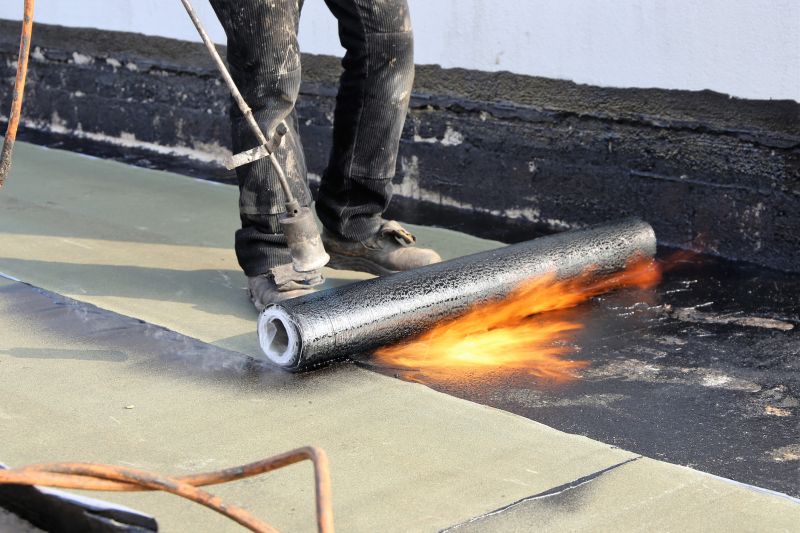
When comparing service providers for roof sealing, it is important to consider their experience with similar projects. Homeowners should inquire about how long a contractor has been working on roof sealing tasks and whether they have handled projects comparable in size and complexity. An experienced local contractor will typically have a better understanding of common issues, proper sealing techniques, and the best materials to use, reducing the likelihood of mistakes that can lead to future problems. Ensuring that a service provider has a proven track record with projects similar to the homeowner’s can help avoid common pitfalls associated with inexperience or unfamiliarity with specific roof types.
Clear, written expectations are essential when choosing a roof sealing service. Homeowners should seek detailed estimates and project descriptions that outline what work will be performed, the materials to be used, and the scope of the project. This transparency helps prevent misunderstandings and ensures that both parties are aligned on what is expected. Service providers who communicate expectations clearly and provide written documentation demonstrate professionalism and reduce the chances of disagreements or overlooked details that can compromise the quality of the roof sealing job.
Reputable references and good communication are key factors in selecting a dependable local contractor. Homeowners are encouraged to ask for references from previous clients or to review testimonials that speak to the contractor’s reliability and workmanship. Good communication throughout the project ensures that any questions or concerns are addressed promptly, helping to catch potential issues early. Service providers who are responsive and transparent foster a smoother process and are more likely to deliver a quality roof sealing job that meets the homeowner’s needs, avoiding common mistakes caused by miscommunication or lack of accountability.
Property owners often search for common mistakes property owners make with roof sealing when they are planning practical projects around their homes and businesses. Local pros provide Roof Sealing services for everyday jobs and straightforward project options.
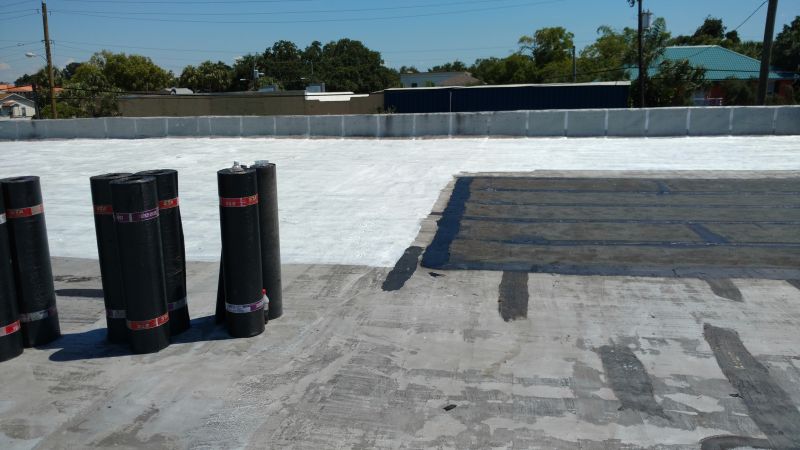
Many property owners in the area overlook the importance of proper surface preparation before applying roof sealant, which can lead to early failures and leaks. Attempting to seal a roof without thoroughly cleaning or repairing existing damage is a common mistake that local contractors see often. These professionals emphasize that skipping steps like removing debris, fixing cracks, or addressing moisture issues can compromise the effectiveness of the sealant and result in the need for more extensive repairs down the line.
Another frequent error is choosing the wrong type of sealant or applying it under unsuitable weather conditions. Property owners may opt for cheaper products or try to seal their roofs during rain or high humidity, which can prevent proper adhesion and curing. Local service providers recommend consulting with experienced roof sealing specialists to ensure the right materials are used and that application occurs under optimal conditions, helping to extend the life of the roof and avoid costly mistakes.
What are common mistakes property owners make with roof sealing? Many property owners attempt to seal their roofs without proper preparation, leading to poor adhesion and future leaks. Local contractors can assess the roof surface and apply sealing techniques that ensure durability.
Why is choosing the wrong sealing material a mistake? Using an inappropriate sealing product for the specific roof type can result in early deterioration or failure. Experienced service providers can recommend the best materials suited for the roof’s material and conditions.
How does improper surface preparation affect roof sealing? Failing to clean or repair the roof surface before sealing can cause the sealant to fail prematurely. Professional contractors ensure proper cleaning and surface repairs for optimal sealing results.
Why is sealing a roof without inspecting for underlying issues a mistake? Overlooking existing damage like cracks or leaks can lead to sealing over problems that worsen over time. Local service providers typically inspect and address underlying issues before sealing.
What risks come with DIY roof sealing? DIY sealing can lead to inadequate coverage or improper application, increasing the risk of leaks and damage. Skilled local contractors have the experience to perform effective and lasting roof sealing work.
Ignoring surface preparation - property owners may skip cleaning or repairing the roof surface, which can reduce sealing effectiveness; professionals can ensure proper preparation for lasting results.
Choosing the wrong sealing materials - selecting incompatible or low-quality sealants can lead to early failure; local contractors can recommend suitable products for specific roofing materials.
Overlooking existing damage - failing to address pre-existing cracks or leaks before sealing can cause recurring issues; experienced service providers can identify and repair underlying problems.
Neglecting proper application techniques - improper sealing methods can create weak spots or gaps; skilled roof sealing experts follow best practices to ensure comprehensive coverage.
If you are thinking about common mistakes property owners make with roof sealing for a property, this guide is meant to help you understand this topic, the typical project types, and how different options might fit your plans.
When you are ready, you can use the quote form on this page to share a few details about your project. From there, local pros can review the basics and follow up with options that match what you have in mind.